


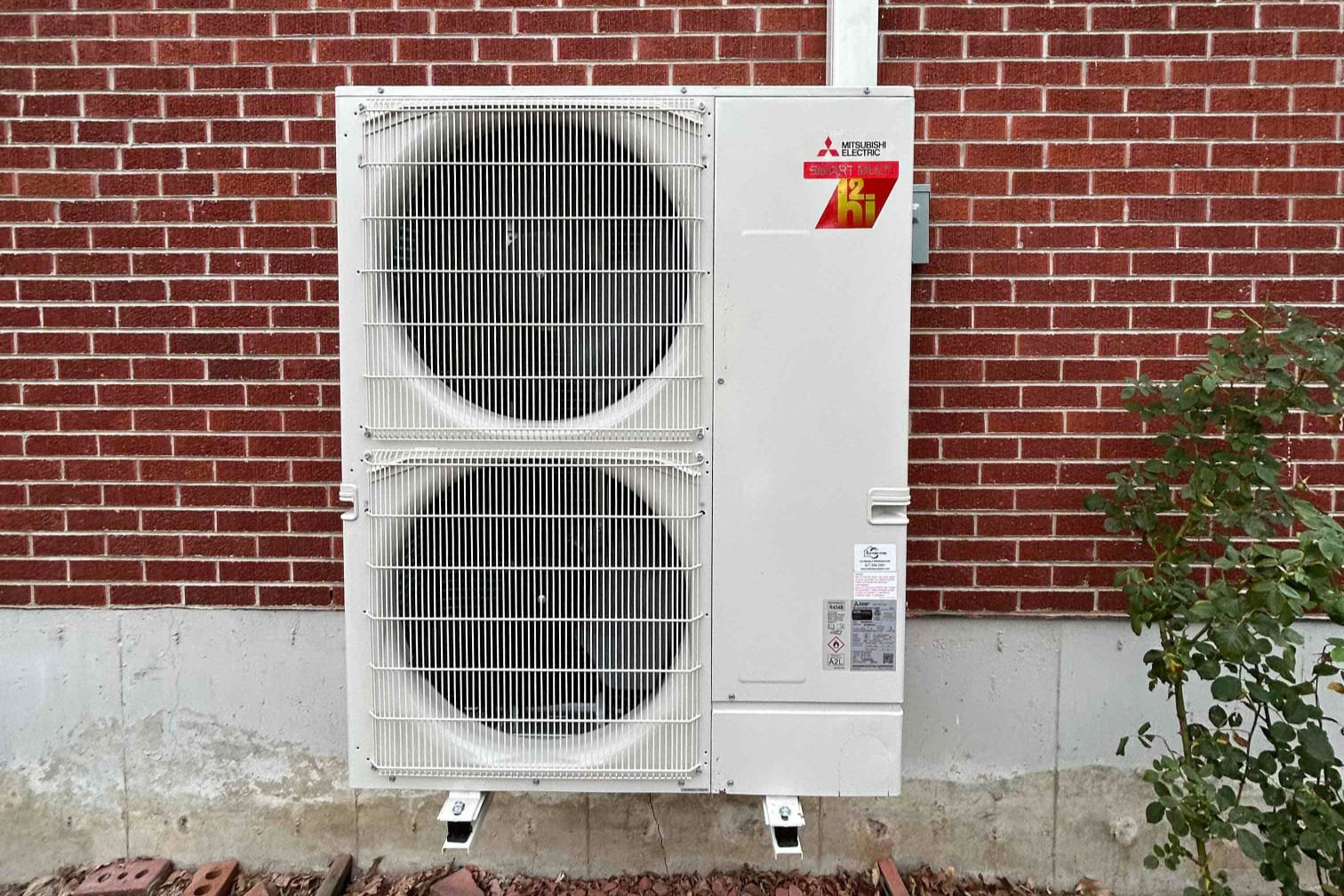
Your heat pump works year-round, heating your home when it’s cold out and cooling it when the temperatures rise. Like any mechanical system, it wears down over time. Thankfully, there are warning signs that a major breakdown is imminent. Here are seven red flags that let you know it’s time to call a professional.
Sign 1: Unusual Noises – Decoding Your Heat Pump’s Cries for Help
A healthy heat pump is quiet, humming along in the background as it keeps your home comfortable. Unhealthy ones, however, start to make a lot of noise; grinding, rattling, screeching, or banging are all signs that something is wrong. These sounds can be caused by loose hardware, a failing compressor, or a motor bearing that’s reached the end of its life.
Sign 2: Weak Airflow or Inconsistent Heating/Cooling
Another sign of a struggling heat pump is when one room feels like a sauna while the other is frigid. Clogged filters, leaky ductwork, low refrigerant levels, or failing blower motors can all cause this type of inconsistent HVAC performance. Several of these problems can also cause the airflow to be weak all around.
Sign 3: Strange or Burning Odors Emanating from Your Unit
Odd smells can come from several problem areas. Mold growing in your ducts or on the evaporator coil can be a health hazard, but it gives off a musty smell that makes it easy to catch early. Even more urgent is a burning smell or electrical odor. These can be caused by overheated wiring, a seized motor, or a failing electrical component.
Sign 4: Sudden Spike in Energy Bills
A failing heat pump often has to work harder than it should. The result is an unexpected jump in your utility bills. Issues that can lead to declining efficiency in your heat pump include refrigerant leaks, dirty coils, or a compressor that has lost capacity.
Sign 5: Ice or Frost Buildup on the Outdoor Unit or Coils
It’s normal for there to be a thin layer of frost during winter operation. Your heat pump has a defrost cycle to handle this exact situation. However, heavy ice buildup on heater coils signals a real problem. A malfunctioning defrost control, a blocked outdoor coil, or low refrigerant can all cause ice to build up in the unit. If not addressed, ice accumulation can lead to permanent damage to the compressor.
Sign 6: Frequent Short Cycling or Constant Running
Short cycling in a heat pump is when the unit turns on and off every few minutes. This places extreme stress on the compressor and dramatically shortens the system’s lifespan. An oversized unit, faulty thermostat, refrigerant issues, or overheating compressor can all cause short cycling. The opposite end of the spectrum is a heat pump that runs continuously but never reaches the desired temperature.
Sign 7: Visible Leaks or Moisture Around the Indoor or Outdoor Unit
Simple condensation can cause some moisture in your HVAC systems, but you need to be careful about dismissing it as mere condensation. Refrigerant leaks are dangerous and should be addressed promptly. Additionally, water pooling near the indoor unit could indicate that a frozen evaporator coil is thawing, a condensate drain is clogged, or a drain pan is cracked. Any visible leak warrants a professional service call.
Listen to Your Heat Pump and Act Smartly
Your heat pump’s performance is its way of communicating with you. Strange sounds, weak airflow, rising bills, and ice are all part of the way it does this. By recognizing these heat pump repair signs early and scheduling a professional inspection, you keep small issues from snowballing into an emergency. If your heat pump is communicating a problem to you, contact us at The Heat Pump Store for a professional inspection.